HeyReach vs Dripify

Teams comparing HeyReach and Dripify are debating how to operationalize social outreach.
Both platforms focus on execution, not targeting or intent, but they are built for very different operating models.
How Teams Typically Evaluate Heyreach vs Dripify
This comparison usually comes down to one core question:
Are we optimizing outbound for scale, or for individual rep productivity?
- Teams running high-volume outbound across many senders tend to shortlist HeyReach
- Teams looking for structured follow-up and consistency tend to shortlist Dripify
Neither tool is designed to decide who should be contacted, only how outreach is executed.
What Heyreach Is Designed to Do
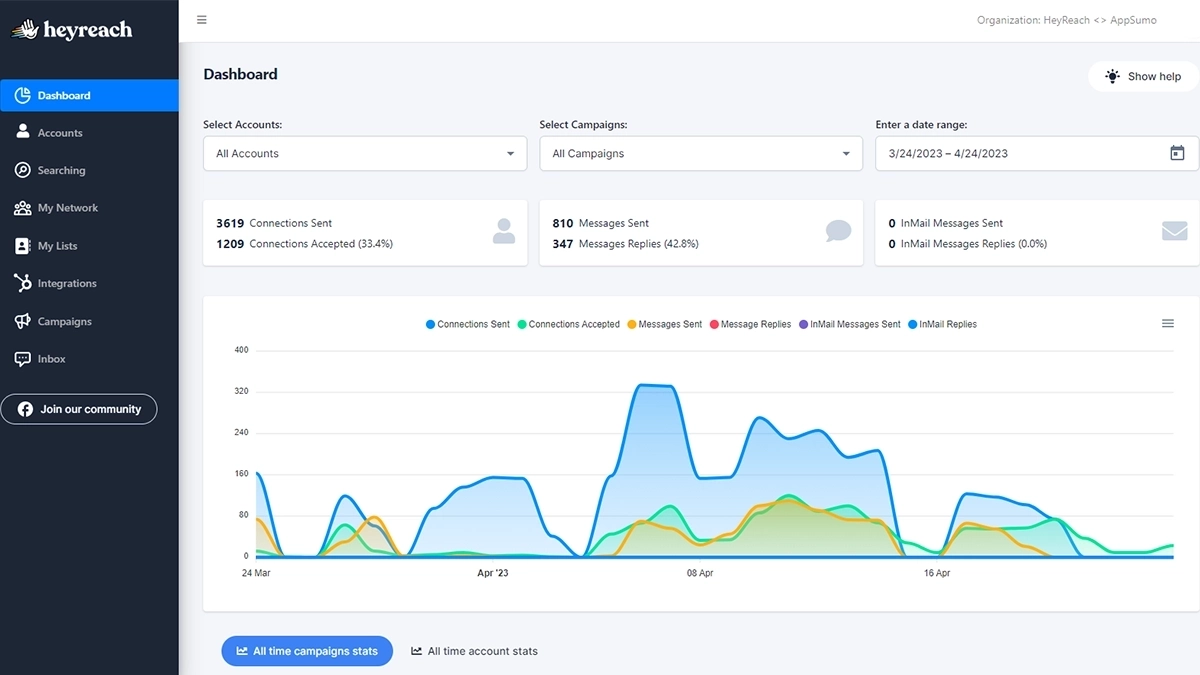
HeyReach is built to centralize social outbound across many sender accounts.
Its primary value is operational control.
HeyReach helps teams:
- manage multiple social seats in one workspace
- standardize outbound execution across reps or clients
- maintain throughput without logging into each account individually
HeyReach is commonly used by:
- outbound agencies
- large SDR teams
- organizations prioritizing message volume and operational efficiency
It excels when scale and coordination are the main challenges.
What Dripify Is Designed to Do
Dripify is a sequencing and follow-up tool for individual reps and small teams.
It focuses on helping users:
- structure social outreach into clear sequences
- ensure follow-ups happen consistently
- reduce manual tracking and reminders

Dripify works best for:
- BDRs and AEs running socials alongside email and calls
- founder-led outbound
- small teams that want discipline without heavy tooling
It improves consistency and execution quality, not volume.
Where Heyreach and Dripify Both Have Limits
Despite different operating models, both platforms share the same constraint.
They assume the hardest problems are already solved:
- targeting
- timing
- messaging context
Neither HeyReach nor Dripify:
- identifies buying intent
- prioritizes leads by readiness
- explains why a prospect should be contacted now
As a result, teams often see:
- diminishing reply rates over time
- increasing reliance on templates
- pressure to increase volume instead of relevance
Execution improves, but outcomes plateau.
Where Letterdrop Fits Differently
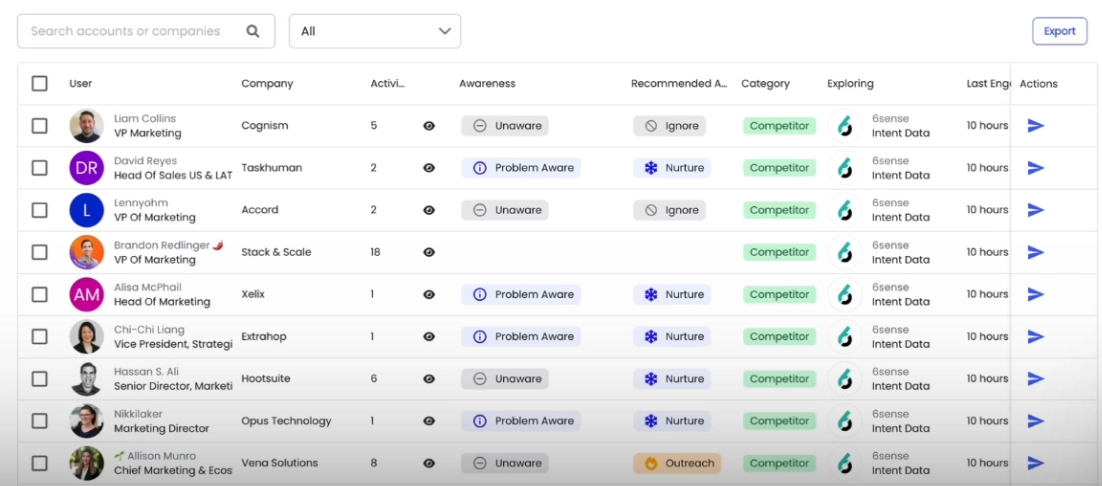
Letterdrop operates before execution.
Instead of starting with a list and a sequence, Letterdrop focuses on decision-making.
It identifies:
- individuals discussing problems relevant to your category
- buyers comparing vendors or alternatives
- renewed intent from previously stalled or closed-lost opportunities
It then:
- prioritizes those leads automatically
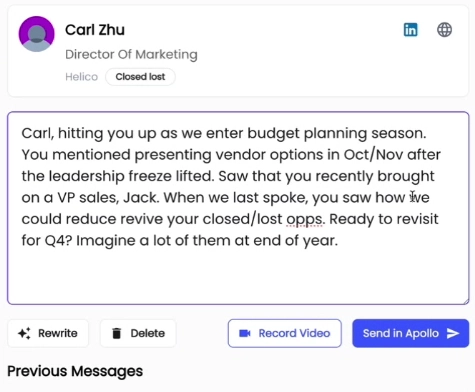
- drafts first-touch outreach grounded in context
- routes messages into existing outbound tools
- can even re-engage closed/lost leads
This makes execution platforms like HeyReach or Dripify more effective, even at lower volume.
HeyReach vs Dripify vs Letterdrop
| Dimension | HeyReach | Dripify | Letterdrop |
|---|---|---|---|
| Core focus | Scale and coordination | Consistency and follow-up | Relevance and timing |
| Targeting | Manual lists | Manual lists | Intent-based |
| Buyer context | None | None | Built-in |
| First message quality | Template-driven | Template-driven | Context-driven |
| Lead prioritization | No | No | Yes |
| Best use case | High-volume outbound | Individual productivity | Higher reply rates |
Final Thoughts
HeyReach and Dripify are effective execution layers.
HeyReach is the right choice when scale and coordination matter most.
Dripify is the right choice when individual consistency matters most.
If your challenge is getting replies and meetings, not just sending messages, the bigger lever is deciding who and when.
That is where Letterdrop fits.
Subscribe to newsletter
No-BS GTM strategies to build more pipeline in your inbox every week
Related Reading
Some other posts you might find helpful