Letterdrop vs Common Room

At first glance, Letterdrop and Common Room look adjacent.
Both help teams “understand what’s happening" through ingesting signals and activity.
But they are built for very different moments in the revenue journey.
Common Room is optimized for understanding and nurturing an existing audience.
Letterdrop is optimized for finding buyers early and turning intent into meetings.
What Common Room Is Really Built For
Common Room is one of the strongest platforms on the market for community-led and PLG motions.
It pulls in signals from:
- Slack and Discord conversations
- GitHub issues and product feedback
- Support tickets and newsletters
- Job changes and internal usage data
All of this is stitched into a unified view of people you already know or who are already in your ecosystem.
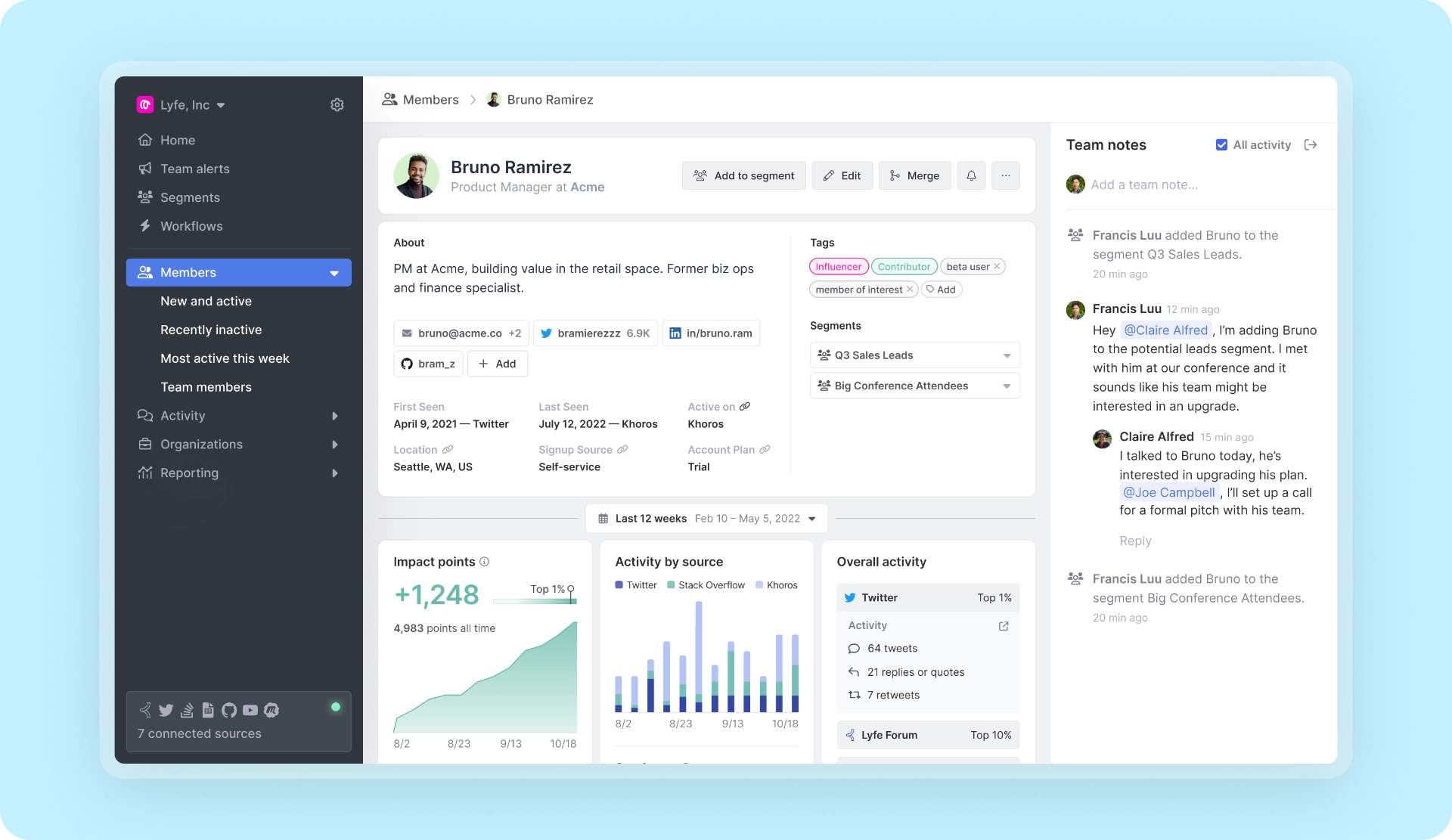
That makes Common Room excellent for:
- community managers
- developer relations teams
- PLG orgs with strong inbound or product adoption
- advocacy and customer marketing motions
It answers questions like:
- What are users talking about most?
- Who are our most active community members?
- Which accounts are expanding or disengaging?
Where Common Room Falls Short
Common Room is intentionally inward-facing.
It does not focus on:
- public buying conversations
- prospects asking peers for vendor recommendations
- early-stage research happening outside your product or community
- turning signals directly into drafted outbound messages
In practice, that means:
- signals stop at alerts or dashboards
- teams still need separate tools for enrichment, prioritization, and outreach
- pipeline creation happens elsewhere
If your pipeline challenge is “we need more demand, not just better insight”, Common Room alone won’t solve it.
How Letterdrop Approaches the Problem
Letterdrop is built for external, contact-level buying intent.
Instead of starting with your community, it starts with the market.
Letterdrop detects:
- buyers talking about problems you solve
- people asking for alternatives or recommendations
- prospects interacting with competitors or category influencers
- decision-makers interacting with your team’s content
And crucially, it doesn’t stop at detection.
From Signal → Meeting, Not Signal → Dashboard
Once a signal appears, Letterdrop:
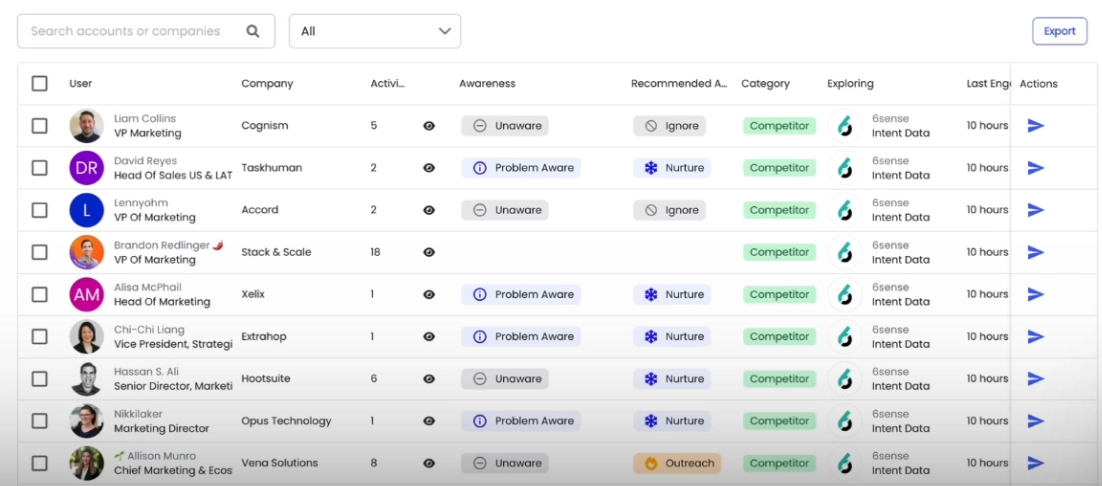
- labels the buyer’s awareness stage (Unaware → Decision)
- enriches the contact with role and firmographics
- drafts context-specific outreach for review
- routes it into Apollo, Slack, or your CRM
The result is a closed loop: signal → context → outreach → conversation.
Common Room vs Letterdrop
| Area | Common Room | Letterdrop |
|---|---|---|
| Primary focus | Community & PLG intelligence | Pipeline creation |
| Signal source | Internal + owned surfaces | Public, external conversations |
| Buyer visibility | Known users | Net-new prospects |
| Signal outcome | Insight & alerts | Drafted outreach |
| Best for | Community-led growth | Revenue teams under pipeline pressure |
Bottom Line
Common Room helps you understand and nurture people you already have.
Letterdrop helps you find buyers you don’t yet know — and reach them at the right moment.
Subscribe to newsletter
No-BS GTM strategies to build more pipeline in your inbox every week
Related Reading
Some other posts you might find helpful