6 Tools for Reviving Closed-Lost Deals in 2026

When deals are marked “closed-lost,” many teams assume they’re gone forever.
But the smartest GTM teams today treat them as delayed opportunities.
With the right tooling, you can analyze why deals were lost, detect signals that they might be ready again, and re-engage with context that actually converts.
Below are the leading tools that help revenue teams revive closed-lost deals at scale, from analysis and pattern recognition to signal detection and drafting context-first outreach.
1) Letterdrop: Closed-Lost Signals + Context-Rich Outreach
Best for: End-to-end revival: automated detection, staging, and personalized follow-up.
Letterdrop serves teams that want to go beyond static reminders or dashboards.
It detects when old opportunities show new-relevant signals, classifies buyer awareness stages, and drafts context-aware messages ready for your existing workflows.
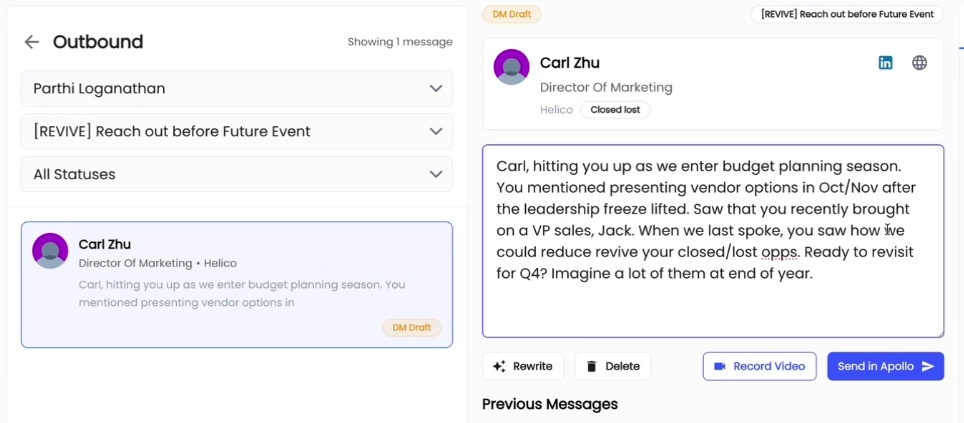
Key features:
- Signals that matter before inbound interest re-ignites
- Awareness stage classification (Unaware → Decision-Ready)
- Context-driven outreach is drafted for you
- Routing into CRM and your other tools (Apollo, Outreach, etc)
Why it stands out: Many tools give you data or alerts. Letterdrop connects that signal with what to say next, increasing the chance of reply and pipeline conversion.
2) HubSpot Deal Loss Agent
Best for: Root-cause analysis of lost deals and actionable recommendations.
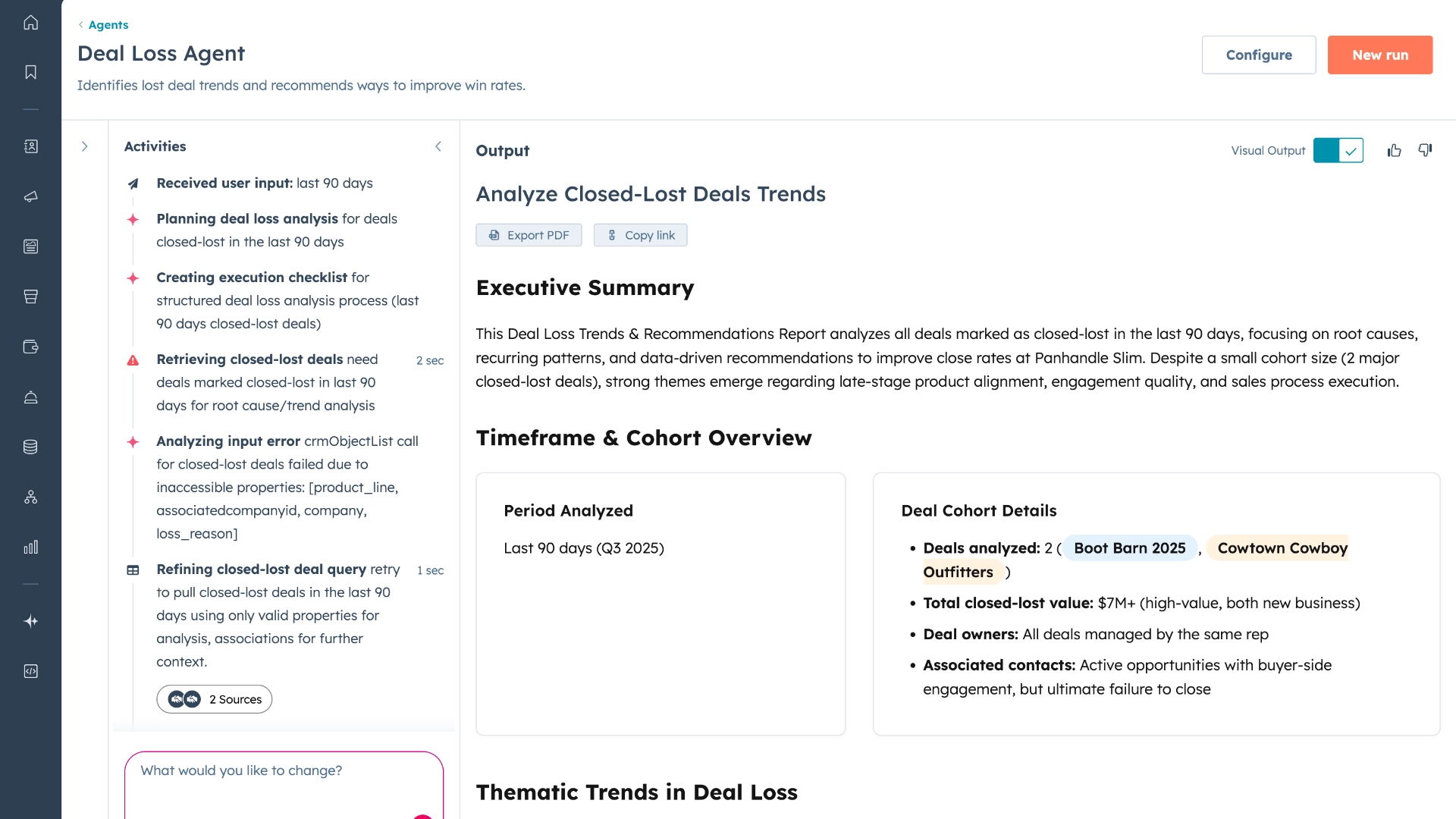
HubSpot’s Deal Loss Agent uses AI to analyze all closed-lost deals over a chosen timeframe. It surfaces patterns, objections, and actionable recommendations based on CRM data and associated records, helping teams diagnose why deals were lost and what to do differently next time.
Key Features:
- AI-driven loss pattern discovery
- Insight into recurring objections, pricing misalignments, timing issues
- Actionable recommendations based on aggregated data
- Reports that can be shared or exported
3) UserGems
Best for: Signal-based revival targeting with enriched context.
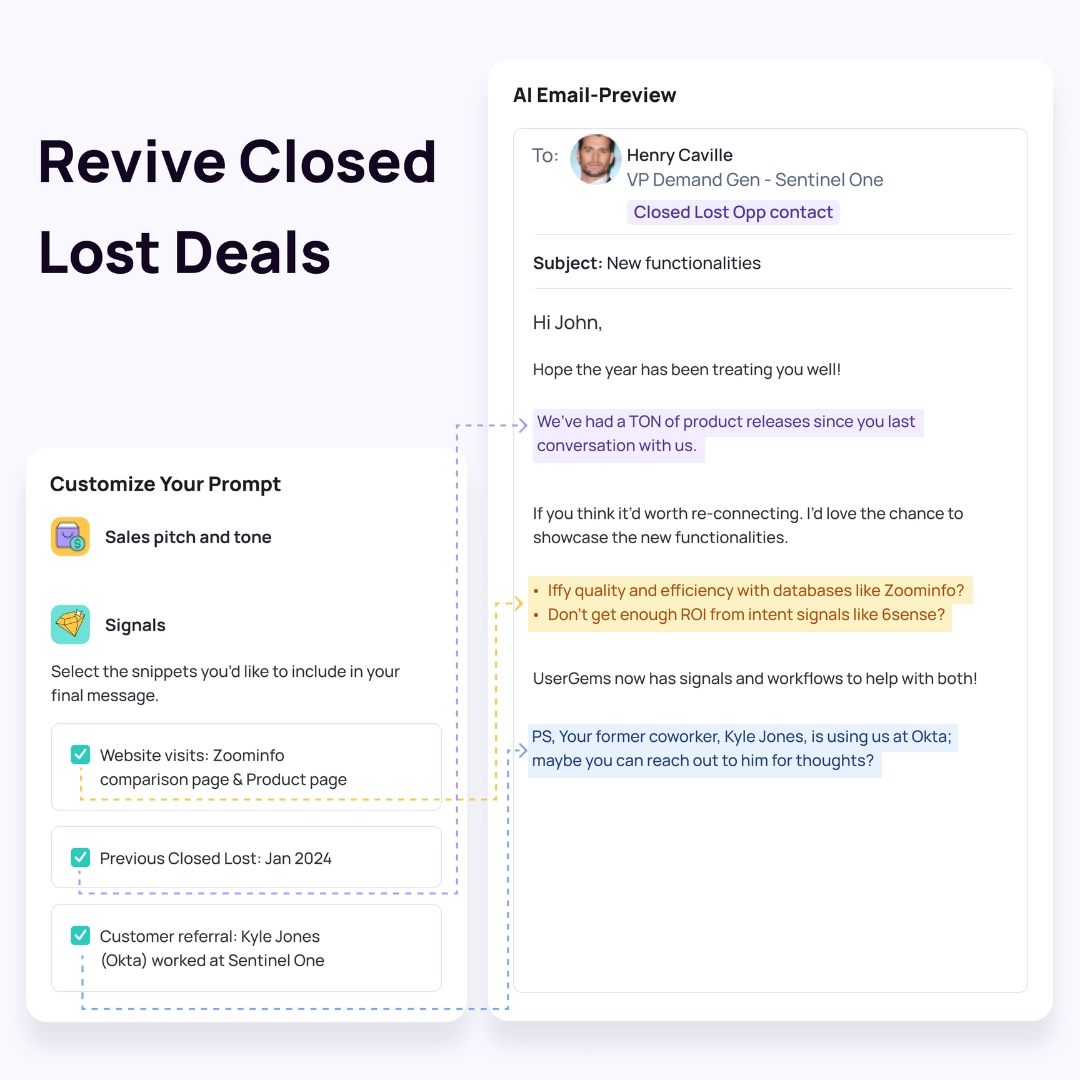
UserGems automatically identifies when closed-lost accounts and contacts show signals that make them ripe for re-engagement, like job changes, renewed activity, or funding events.
Its “Revive Closed Lost Opportunities” playbook helps teams filter and act on the most promising signals.
Key Features:
- Closed-lost account signal monitoring
- Enriched contact info and segmentation
- Signal + CRM data fusion
Limitations: Outreach execution must be done with a messaging tool.
4) Scoop Analytics: Closed-Lost Patterns & Playbooks
Best for: Deep analytics and re-engagement playbook generation.
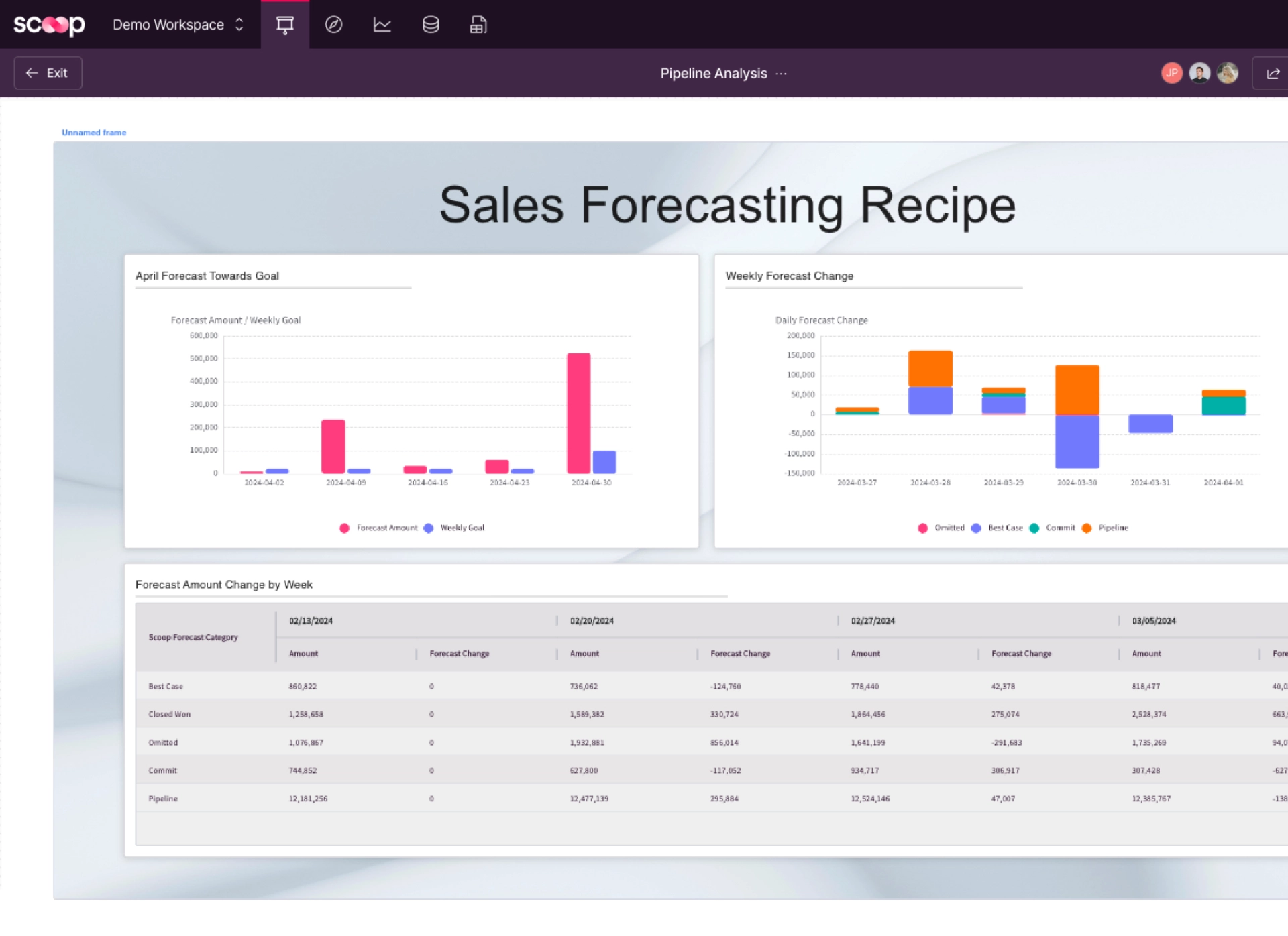
Scoop’s “Closed Lost Revival” canvas lets teams analyze lost deals from any CRM, segment by loss factors (like pricing, product features, or interactions), and suggest data-driven re-engagement strategies. It’s less about signal alerts and more about understanding patterns to inform your outreach.
Key Features:
- Data visualization for loss analysis
- Pattern spotting across segments
- Helps refine messaging strategies
Limitations: Does not automate signal detection or outreach.
5) Gong Revenue Intelligence
Best for: Conversation-centric insights for personalized re-engagement.
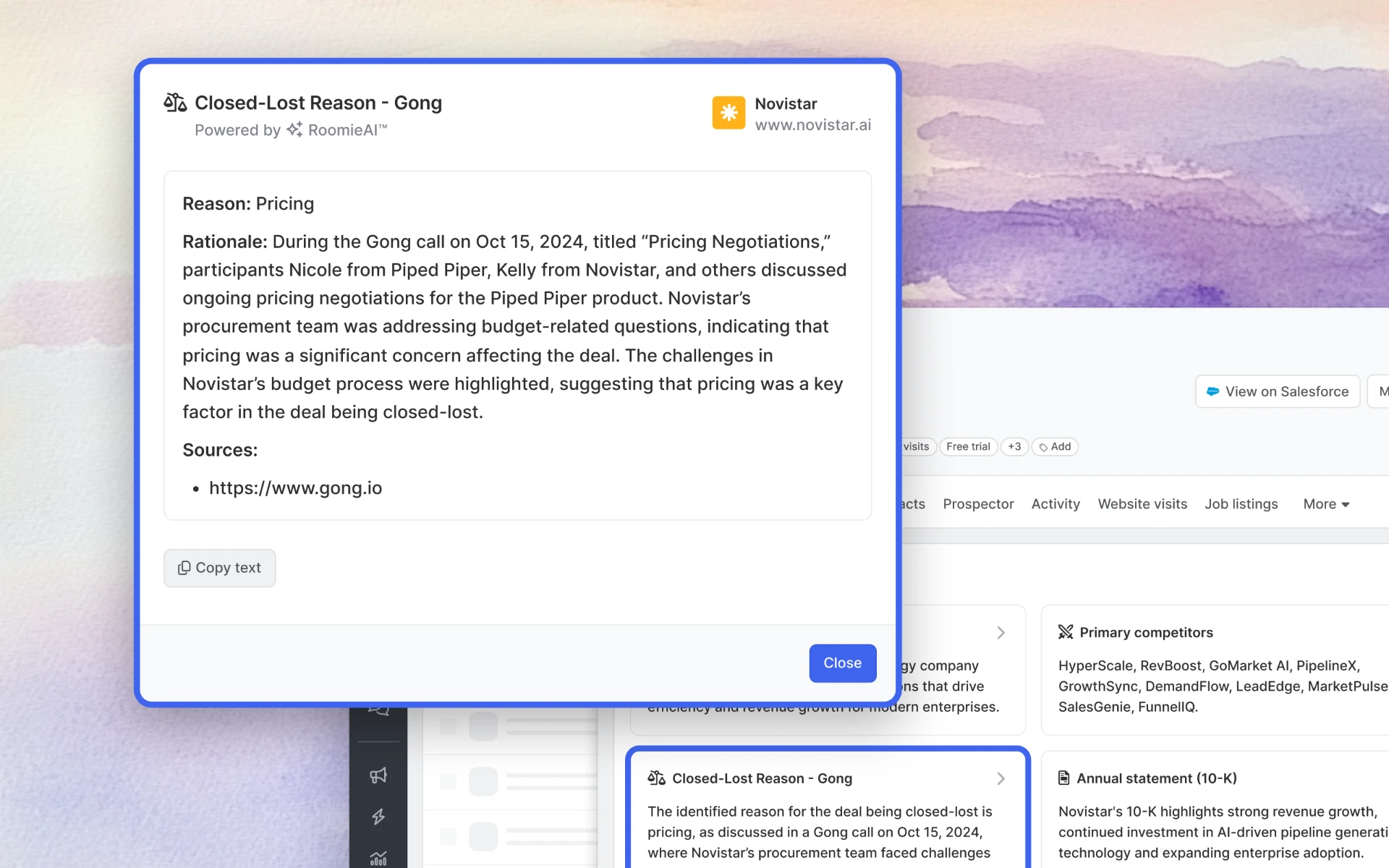
Gong lets teams go inside missing or shallow CRM notes by pulling together conversation history - calls, emails, messages - and surfacing context that can inform re-engagement.
Its AI search and “Ask Anything” features can unearth loss drivers and tailor outreach.
Key Features:
- Access to complete interaction history
- AI-generated insights for personalization
- Better context for replies
Limitations: Not inherently a signal detector; needs pairing with alert tools.
6) LinkedIn Alerts + Manual CRM Workflows
Best for: Manual cues and internal CRM scheduling.
For some teams, basic tools like LinkedIn Sales Navigator alerts combined with CRM workflows still play a role: tracking when contacts move roles or update profiles and setting manual follow–up tasks. These aren’t automated revival tools per se, but they are often part of revival strategies.
Strengths:
- Reliable manual job change and engagement cues
- Familiar tooling for reps
Limitations: Manual, not predictive, and requires external outreach tools.
Closed-Lost Revival Tools Compared
| Tool | Loss Pattern Analysis | Signal Detection | CRM Integration | Drafts Outreach | Best For |
|---|---|---|---|---|---|
| Letterdrop | ✔ Yes | ✔ Yes | ✔ Yes | ✔ Context-driven | Signals + action |
| HubSpot Deal Loss Agent | ✔ AI insights | ⚠ No | ✔ Yes | ❌ No | Loss analysis |
| UserGems | ✔ Signals | ✔ Yes | ✔ Yes | ❌ No | Enriched signals |
| Scoop Analytics | ✔ Deep analytics | ⚠ Limited | ⚠ Yes | ❌ No | Loss pattern insight |
| Gong | ✔ Conversations | ⚠ Moderate | ⚠ Yes | ❌ No | Personalized context |
| Dealfront / EngageTech | ⚠ Patterns | ✔ Behavior | ⚠ Yes | ⚠ Trigger sequences | Trigger outreach |
| LinkedIn Alerts/CRM | ❌ No | ✔ Manual | ✔ Yes | ❌ No | Manual cues |
Final Thoughts
Most tools help teams see patterns or behavior, not turn them into replies. The difference between a revived opportunity that becomes pipeline and one that stays dormant is context, timing, and message relevance.
Letterdrop is unique in bridging signal detection → intent staging → personalized draft outreach, which is why teams focused on actionable revival put it at the top of their toolkit.
Subscribe to newsletter
No-BS GTM strategies to build more pipeline in your inbox every week
Related Reading
Some other posts you might find helpful