Letterdrop vs Dripify

Dripify exists to solve a very real problem for folks on LinkedIn, which is to make sure follow-ups actually happen. narrow but real problem:
If your goal is to bring structure to LinkedIn prospecting and avoid dropped balls, Dripify does that job well.
What Dripify does well
Dripify is fundamentally a sequencing tool.
You define a flow - connect, follow up, follow up again - and the platform handles the timing. That consistency is valuable for reps who prospect daily and want to ensure nothing slips through the cracks.
Because setup is lightweight, Dripify is often used by:
- individual BDRs and AEs running LinkedIn alongside email
- founders doing hands-on outbound
- small teams that want discipline without operational complexity
In those environments, Dripify reduces execution friction.
Where Dripify Starts to Fall Short
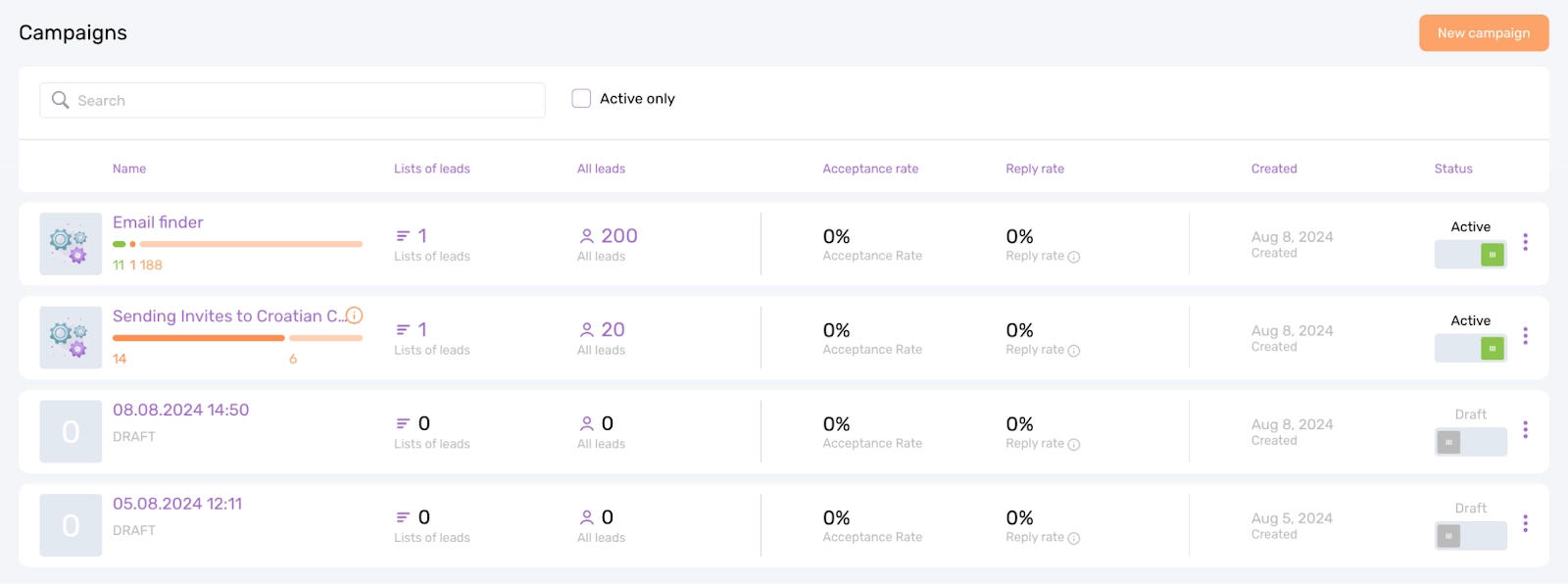
The limitation appears before any sequence is sent.
Dripify assumes the hard parts are already solved:
- who is worth reaching out to
- why now is the right time
- what the message should reference
When those inputs are weak, the sequence still runs.
Dripify also has no concept of existing relationship context.
If a deal stalled three months ago, or a prospect went dark after a demo, Dripify treats that contact the same as a brand-new cold lead. There’s no awareness of prior conversations, evaluation history, or re-engagement timing.
The issue is starting with the wrong people, at the wrong time, with the wrong reason.
How Letterdrop Approaches the Problem Differently
Letterdrop is built around context-first signals.
Instead of starting with a static list, it looks for real buying signals across the open web and your existing revenue data.
That includes:
- buyers publicly talking about problems or alternatives
- people interacting with competitors or category content
- previously active prospects resurfacing
- closed-lost deals showing new signs of interest
When a signal appears, Letterdrop captures the context and uses it to:
- prioritize the lead based on real relevance
- label buyer awareness stage
- draft the first message tied directly to why now.
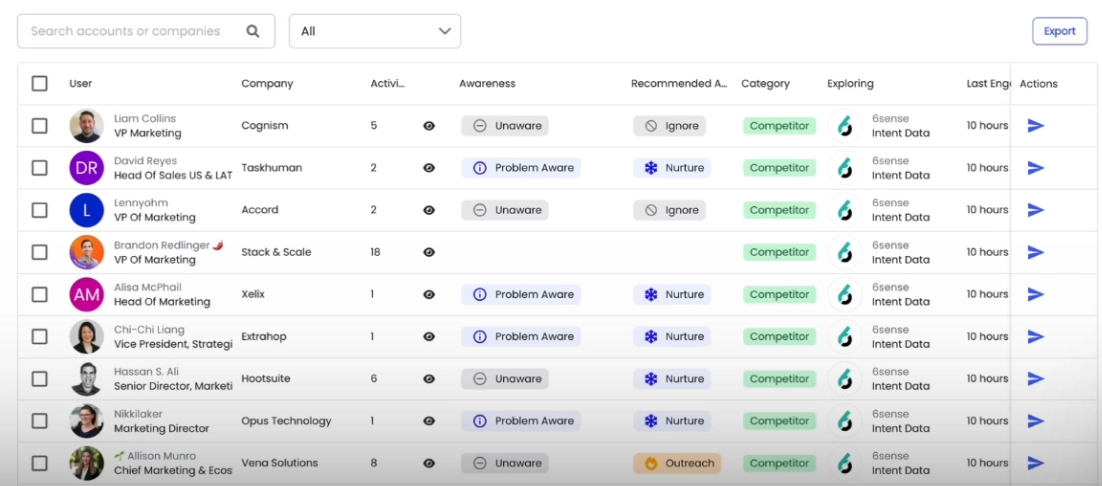
This is especially powerful for closed/lost revival.
Letterdrop can monitor:
- former opportunities that went quiet
- lost deals where timing, budget, or priority changed
- contacts who reappear in public conversations or switch roles
Instead of letting those opportunities decay in the CRM, Letterdrop flags the moment a re-engagement actually makes sense and drafts outreach that acknowledges prior context.

Letterdrop vs Dripify
| Dimension | Letterdrop | Dripify |
|---|---|---|
| Starting point | Live buying signals + CRM history | Static lists |
| Reason to reach out | Real buyer activity or renewed intent | Manually invented |
| First message | Drafted from context | User-written template |
| Lead prioritization | Intent-based | None |
| Closed/lost revival | Built-in signal detection + drafting | Not supported |
| Relationship awareness | Yes (past deals, conversations) | No |
| Core value | Better timing and relevance | Better follow-through |
| Best fit | Teams optimizing for replies and pipeline | Individuals optimizing for consistency |
Bottom Line
Dripify helps you be consistent.
Letterdrop helps you be relevant even months later.
For teams under pipeline pressure, the biggest wins often come from:
- reaching buyers at the right moment
- and reviving deals everyone else forgot
That’s the gap Letterdrop is designed to close.
Subscribe to newsletter
No-BS GTM strategies to build more pipeline in your inbox every week
Related Reading
Some other posts you might find helpful