Letterdrop vs HeyReach

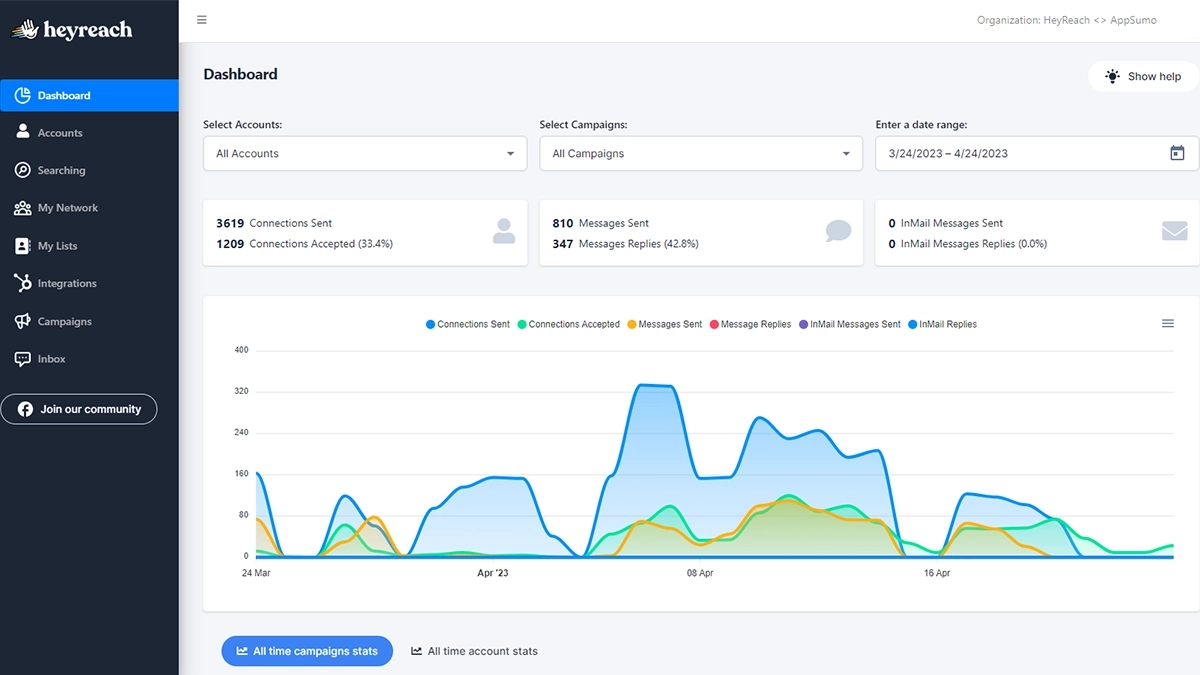
HeyReach is designed for teams that want to run LinkedIn outbound from many sender accounts in one place.
It’s popular with:
- outbound agencies managing many client senders
- teams with multiple SDRs/AEs doing LinkedIn as a primary channel
- anyone trying to run consistent connection + follow-up flows without logging into 12 different accounts
If your problem is “we have a lot of LinkpedIn senders, and coordination is painful,” HeyReach is a real solution.
What Heyreach Does Well
Sender management and throughput
- One workspace to manage many LinkedIn seats
- Standardizes outbound execution across multiple reps or clients
Simple sequencing
- Connection request → follow-up sequences
- Good for repeatable outbound motions
Operator-friendly workflows
- Helps teams keep activity consistent without manually tracking who sent what
Where Heyreach Starts to Fall Short
HeyReach is strong at execution, but it assumes you already know:
- who to target
- why now
- what to say
That’s where many teams stall.
Common failure modes:
- You scale sequences before you scale signal quality
- Lists go stale, and relevance drops fast
- Messages become template-driven because the platform doesn’t supply real context
- Reply rates flatten, and the only lever left is “send more”
In other words: HeyReach helps you run plays. It doesn’t help you decide which plays are worth running.
How Letterdrop Differs
Letterdrop is built around signal-first outbound.
Instead of starting with a list and a sequence, it starts with:
- buyers talking about problems you solve
- people asking for alternatives or vendor recommendations
- prospects interacting with competitors and category content
- activity that suggests a buying window is opening
Then Letterdrop:
- labels the buyer’s awareness stage (Unaware → Decision)
- drafts outreach tied to the actual signal
- routes it to the right rep or outbound tool for review
So the rep isn’t guessing. They’re responding to something real.
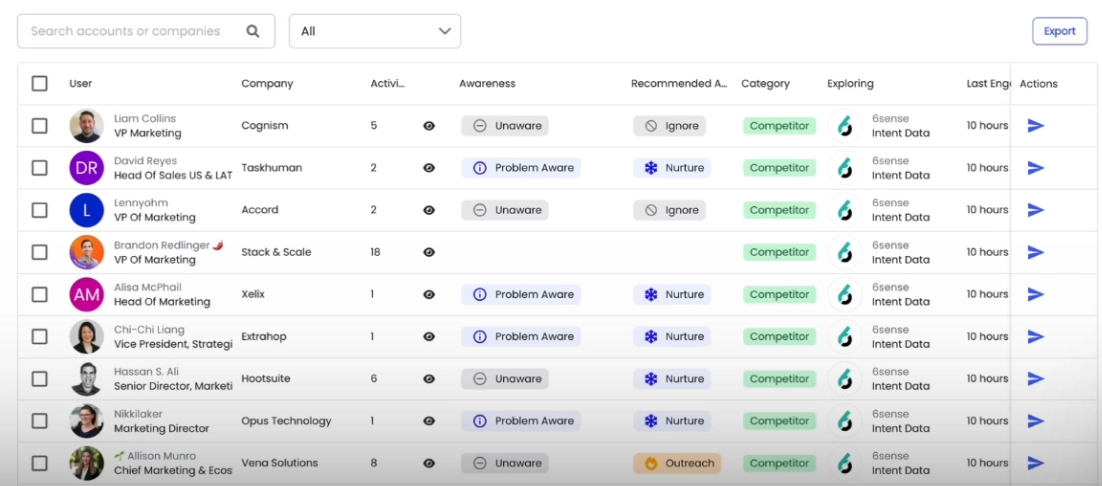
Letterdrop organizes and prioritizes contact-level signals for you
Heyreach vs Letterdrop Comparison Table
| Dimension | Letterdrop | HeyReach |
|---|---|---|
| Primary job | Find intent + draft outreach from real context | Centralize LinkedIn outbound across many senders |
| Best starting point | Signals (what buyers are doing now) | Lists (who you want to reach) |
| Buyer context | Built-in (posts, conversations, activity) | Not provided |
| Personalization quality | Signal-anchored drafting | Template-driven unless user researches manually |
| Prioritization | Intent-based | List-based |
| Works with existing stack | Push to Apollo/Outreach/Slack/CRM | Primarily executes within LinkedIn outbound motion |
| What improves over time | Signal selection + message quality | Operational consistency |
Bottom line
If your problem is managing many LinkedIn senders, HeyReach is a good ops layer.
If your problem is getting replies and meetings, the bigger lever is relevance and timing, which is what Letterdrop is built around.
Subscribe to newsletter
No-BS GTM strategies to build more pipeline in your inbox every week
Related Reading
Some other posts you might find helpful