How to Sell Against a Cheaper Competitor

When a prospect says a competitor is cheaper, most reps do one of three things: defend the price with a feature list, offer a discount, or put the competitor down.
None of those work reliably. Here's what does.
Why You're Losing More Deals to Price than You Should Be
"Your competitor is cheaper" is almost never the full story. It's usually one of three things:
- A framing problem. The buyer doesn't yet understand what they're comparing. They're treating two different products as the same thing at different prices, and nobody has corrected that frame.
- A fit problem. Their budget and needs are genuinely better matched to a cheaper option. No amount of value articulation changes that.
- A timing problem. They already purchased something in this category and don't have the budget or bandwidth to evaluate another tool right now. This gets called a price objection, but it isn't one.
Most advice on competing against cheaper competitors treats all three as the same problem. That's why it doesn't work. Each one has a different response.
Don't Compete on Price. Change What's Being Compared.
When the price gap between you and a competitor is significant, the instinct is to defend your number. The better move is to reframe what the buyer is actually comparing.
The moment you accept the frame that you and a competitor are the same product at different prices, you are negotiating on their terms.
The way out is to surface what is actually different; specifically, in terms the buyer cares about based on your discovery.
Take how Letterdrop competes against enterprise intent platforms like 6sense, which can cost hundreds of thousands of dollars. Rather than defending the price gap, the conversation shifts to what each product actually gives you:
- Intent platforms surface account-level signals: which companies are researching your category or visiting your website. Useful, but ambiguous. Someone reading an article about SOC 2 might just be curious, and not actionable if you can't identify who at the company to contact.
- Letterdrop surfaces individual contacts actively in conversations with your competitors right now. Less volume, categorically stronger signal.
This reframe is not a feature comparison. It's a fundamentally different answer to the question of what the buyer is actually purchasing.
Never Attack a Competitor. Segment the Market Instead.
Positioning a competitor as bad kills trust faster than almost anything else. Buyers have heard it from every vendor. What they hear is: this rep won't give me a straight answer.
The credible move is to acknowledge what competitors are genuinely good at and which buyers they serve well - then make the case for where you win and why it applies to this deal.
"[Competitor] is strong for [use case or segment]. Where we consistently win is [your strength]. The question is which of those fits what you're actually trying to do."
This signals market knowledge, builds credibility, and reframes the deal around fit rather than a price battle you're claiming to win on principle.
The Price Objection that Isn't a Price Objection
One of the most common losses that gets filed under "lost to cheaper competitor" is actually this: the prospect recently purchased something in the same category and doesn't have the budget or bandwidth to evaluate another tool right now.
They're not choosing the cheaper option because it's better. The decision has already been made, the budget is spent, and evaluating something new requires resources they don't have.
The right response is not to discount. It's to find out when the constraint lifts:
"That makes sense. When does that contract come up? I'd rather have a proper conversation then."
Set a reminder. Come back at renewal. These buyers are not lost — they're early. Being first in the conversation when the window reopens is worth more than any discount applied now.
Know when to Walk Away
Some deals are not winnable at your price point, and treating every one as winnable makes you worse at selling. If discovery shows the buyer's needs and budget genuinely fit a cheaper option, say so.
It protects your reputation, saves time on both sides, and leaves the relationship intact for when circumstances change - which they often do. Buyers who outgrow a cheaper tool come back to the vendor who was honest with them.
How to Know when Your Prospects Are in-Market
The signal that a buying cycle has opened exists before the prospect picks up the phone. Getting in at that moment - while the frame is still forming - is what makes the pricing conversation winnable.
Letterdrop surfaces those signals: individual contacts in active conversations with your competitors, routed to your reps before the evaluation closes.
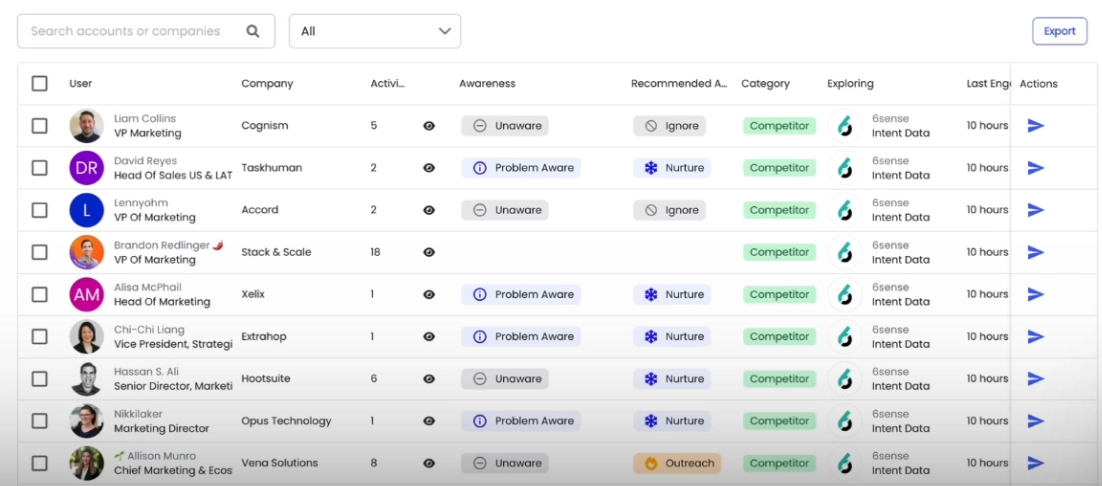
See who your competitors are talking to
The price objection is easier to handle when you helped define what the buyer cares about in the first place.
Subscribe to newsletter
No-BS GTM strategies to build more pipeline in your inbox every week
Related Reading
Some other posts you might find helpful