How to Monitor Competitors in B2B Sales

Most sales teams know who their competitors are. Very few have a system for monitoring what they're actually doing.
Meanwhile, competitors are shipping features, changing pricing, hiring into new segments, and adjusting their messaging, and your reps don't find out until a prospect tells them on a call.
This guide covers how to build a lightweight, repeatable system for competitor monitoring that feeds directly into your sales process.
What to Actually Monitor
Not everything your competitor does matters. Focus on changes that impact live deals.
- Pricing & packaging: New tiers, price changes, seat → usage shifts. These show up immediately in calls. If a competitor launches a free tier and your reps don’t know, you lose leverage fast.
- Product launches & feature updates: Track changelogs and release notes. Pay close attention to features that close gaps prospects have raised in your sales cycle.
- Messaging & positioning shifts: Homepage headlines, new segment pages, updated “who we serve.” These signal who they’re targeting and where they’re investing.
- Hiring patterns: 10 enterprise AEs = upmarket push. A VP from a specific vertical = industry play. Job boards are underrated intel.
- Customer reviews & sentiment: Check G2, Capterra, TrustRadius monthly. Sort by “most recent.” Reviews are objection-handling gold.
- Funding, M&A, leadership changes:New funding = aggressive spend. Acquisition = product expansion. New CEO = strategy shift.
Where to Find the Intel
You don’t need expensive tools to start.
- Google Alerts for competitor names, CEOs, product names
- Competitor newsletters/blogs to catch positioning and product updates
- G2/Capterra/TrustRadius (monthly review scan)
- LinkedIn (company pages + execs + hiring)
- Pricing page (bookmark; use change-monitor tools if needed)
- Earnings calls/press releases for public companies
- Your own sales calls (the highest-signal source)
Building a Lightweight Monitoring Cadence
The goal isn't to create a full-time competitive intelligence role. It's to build a rhythm that takes minimal effort and produces maximum signal.
- Weekly (15 minutes): One person scans Google Alerts, competitor social posts, and any new G2 reviews. Posts a quick summary in a Slack channel.
- Monthly (1 hour): Check competitor pricing pages, product changelogs, and job postings. Update battle cards if anything material has changed. Review what reps are hearing on calls.
- Quarterly (half-day): Run a deeper competitive analysis (https://letterdrop.com/blog/competitor-analysis-framework) covering positioning shifts, feature gaps, win/loss trends, and pricing changes. Present findings to sales and product leadership.
The key is assigning ownership. If "everyone" is responsible for competitor monitoring, nobody does it.
Capture Intel From Your Own Deals
The richest intel lives in sales calls — but it usually dies there.
Fix that with:
- Competitor picklist field in CRM
- Standardized field on Opportunities for reporting.
- (See competitor tracking in Salesforce guide.)
- Required loss reason
- “Chose Competitor X” as a structured option, not buried in “Other.”
- (See closed-lost reasons guide.)
- Mine call transcripts
- Gong/Fireflies/Chorus already capture mentions. The key is aggregating trends.
Make It Usable for Reps
Intel that doesn’t reach reps is wasted.
Battle cards
One-page summaries per competitor: positioning, pricing, strengths, weaknesses, talk tracks.
Dedicated Slack channel
#competitive-intel for updates + rep call insights.
CRM embedding
Attach notes or battle cards to Opportunity records so reps don’t switch tools mid-deal.
Pipeline reviews
Make “Who’s the competitor?” a standard question. Reinforce documentation.
The Gap Between Monitoring and Acting
Knowing that a competitor raised prices is useful context. But that's usually where it stops.
Knowing that three of your closed-lost deals were lost to that specific competitor, and their price increase might create a re-engagement window, is actionable pipeline.
This is where competitive monitoring connects to your broader signal-based selling strategy.
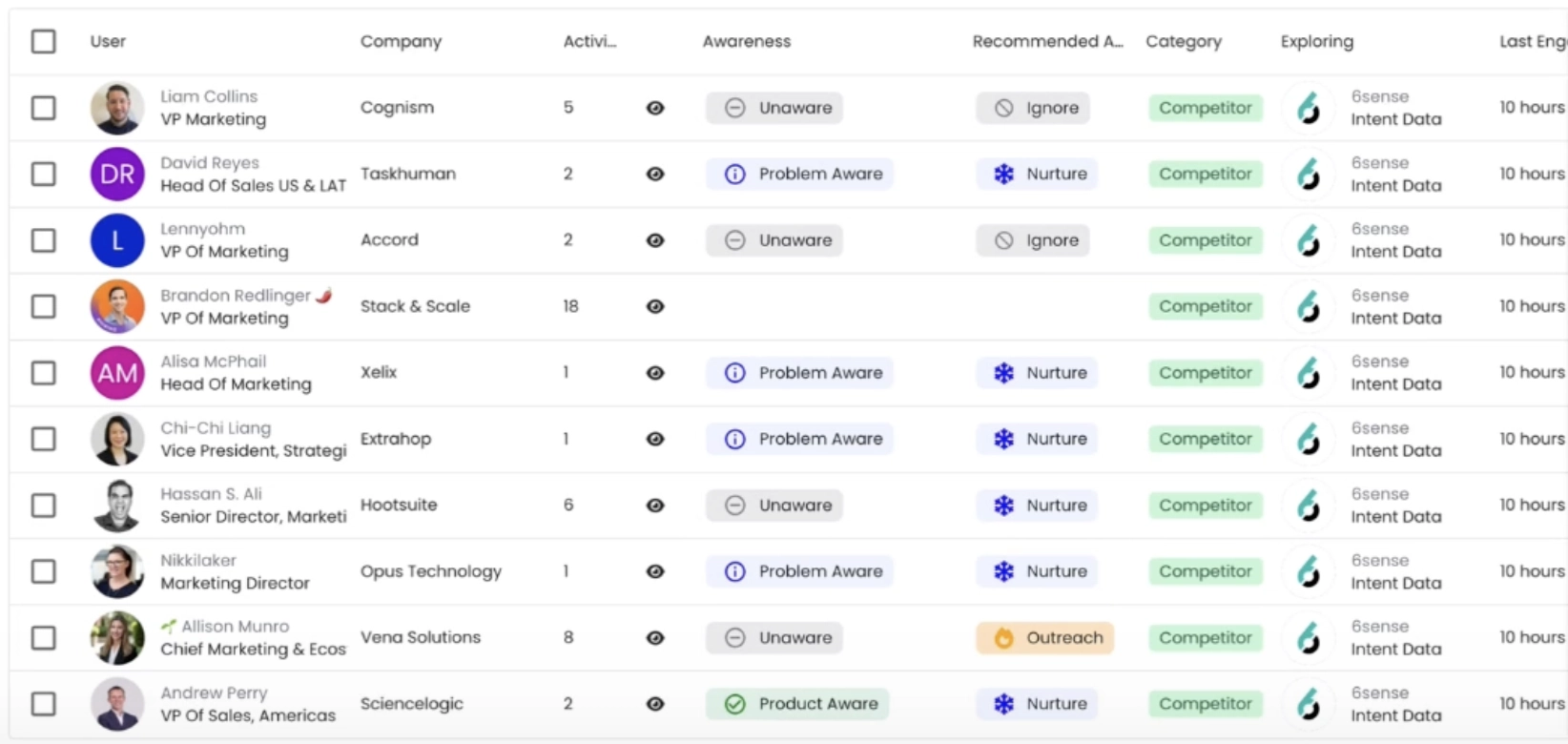
Letterdrop pulls competitive context from your CRM deal data, call transcripts, and stakeholder history. It then lines up outreach for you.
Here's how it works:
- Tell us which competitors matter in active deals
- We track buyer activity tied to those competitors that correlates with live sales cycles
- Contacts are enriched and delivered to your CRM or Slack with context and suggested outreach
Subscribe to newsletter
No-BS GTM strategies to build more pipeline in your inbox every week
Related Reading
Some other posts you might find helpful